
Greenhouse Gardening for Beginners

Imagine stepping into a warm oasis in the middle of December to harvest a handful of perfectly ripe cherry tomatoes, or giving your spring blooms a massive head start while frost still coats the ground outside. That is the magic of owning a greenhouse.
If you have ever felt limited by the weather in your region, greenhouse gardening for beginners is your gateway to year-round harvests.
Why Start Growing in a Greenhouse?
A greenhouse offers incredible advantages that simply aren’t possible out in the open elements.
- Extend Your Growing Season: A greenhouse acts as a protective shield, allowing you to start seeds weeks earlier in the spring and keep harvesting late into the fall or winter. You are no longer entirely at the mercy of the first and last frost dates.
- Weather and Pest Protection: Heavy winds, unexpected hail, and even animals can wipe out a garden overnight. A sturdy structure protects your fragile crops from harsh elements and hungry wildlife.
- Greater Yields: With a stable environment, your plants experience less stress, leading to healthier growth and more abundant harvests.
Before diving into the physical setup, it helps to understand the core concepts. Take a moment to brush up on gardening with a greenhouse: learning the essentials.
How to Set Up a Greenhouse
The most common question new growers ask is how to set up a greenhouse for maximum success.
The foundation of a thriving indoor garden comes down to location and the quality of your structure.
Finding the Perfect Space and Sunlight
Evaluate your backyard space carefully. Your greenhouse should be positioned to receive full sun, ideally facing south or southeast to capture the most morning and afternoon light, especially during the shorter days of winter.
Avoid placing it directly under large trees that could block sunlight or drop heavy branches.
Choosing Your Structure and Materials
The materials you choose dictate how well your greenhouse retains heat. While traditional single-pane glass offers a beautiful, classic aesthetic, many modern growers opt for twin-wall polycarbonate for better insulation and durability.
Quality construction matters. Flimsy aluminum kits often fail during the first heavy snowstorm. Investing in a durable structure, like those featuring authentic Amish woodworking, ensures your greenhouse will stand the test of time.
Browse through high-quality custom greenhouses to see the difference a well-built frame makes.
The “Combo” Approach

If you are short on backyard space but desperately need both storage and a growing area, you don’t have to choose just one.
A combo greenhouse blends a traditional storage shed with a light-filled greenhouse room.
Alternatively, if you already have an unused outbuilding, you might explore how to turn a shed into a greenhouse.
Mastering Climate Control and Ventilation
A greenhouse is essentially a solar heat trap. While that heat is wonderful in February, it can be deadly to your plants in July.
Mastering climate control is the most crucial skill you will learn.
During periods of hot weather, temperatures inside a closed greenhouse can easily exceed 120°F, cooking your plants.
To prevent this, airflow is mandatory. Ensure your structure is equipped with roof vents (ideally with automatic, temperature-sensitive openers) and louvered side windows to allow hot air to escape and cool breezes to enter.
In peak summer, you may also need to apply shade cloth over the roof to filter the intense sunlight.
Soil Preparation and Planting Essentials
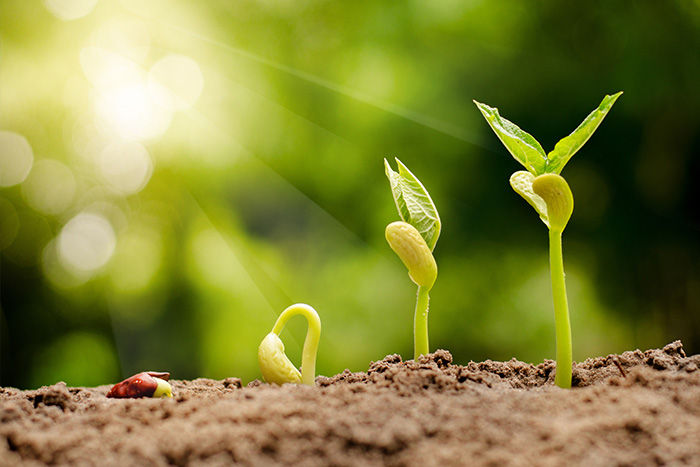
Healthy plants start with healthy soil. Because greenhouse gardening is a closed environment, you are completely responsible for providing the nutrients your plants need to grow.
- Test Your Soil: Before planting a single seed, use a soil test kit to check your pH and nutrient levels. Greenhouse soil can deplete quickly, so amending with high-quality compost is vital.
- Containers vs. Ground Planting: While some greenhouses have dirt floors for direct planting, most beginners find success using containers. Seed trays are perfect for starting delicate seedlings. As they mature, transfer them into large grow bags or deep pots. Grow bags are highly recommended because they offer excellent drainage and prevent roots from becoming bound.
What to Grow: Best Garden Vegetables for Beginners
When you are just starting, it is best to choose resilient garden vegetables that reward your efforts quickly.
Great starter crops include:
- Radishes and carrots
- Leafy greens (spinach, kale, and lettuce)
- Cucumbers
- Cherry tomatoes
Remember to group your plants by their temperature preferences.
Cool-weather crops like lettuce shouldn’t be placed in the hottest, highest reaches of the greenhouse, while heat-loving tomatoes will thrive there.
Cultivating a beautiful interior space makes tending to these crops a joy—check out this garden shed inspiration for ideas on making your workspace both functional and beautiful.
Must-Have Greenhouse Accessories
To make your daily gardening routine easier, you will want to outfit your space with a few essential greenhouse accessories.
A reliable digital thermometer and hygrometer (to measure humidity) are non-negotiable. You will also want a sturdy potting bench, dedicated shelving for your seed trays, and a reliable watering wand or drip irrigation system.
Keeping this gear tidy is key to an efficient workspace; get some tips on how to organize a garden shed and apply them to your greenhouse.
Looking for the perfect present for the grower in your life? Take a look at these great Christmas greenhouse gifts.
Inspiring Greenhouse Designs for Your Backyard


Your greenhouse doesn’t have to look like a commercial farming hoop house.
It can be a stunning architectural focal point in your backyard, a place where you actually want to spend your Saturday mornings drinking coffee among the foliage.
To see what is possible when form meets function, take a look at a custom greenhouse that’s anything but ordinary.
Stepping into greenhouse gardening opens up a whole new world of horticultural possibilities, allowing you to defy the seasons and grow exactly what you want, when you want.
With the right foundation, good soil, and proper ventilation, you will be harvesting your own crops long after your neighbors have packed up their garden trowels for the winter.
Ready to bring your backyard vision to life?